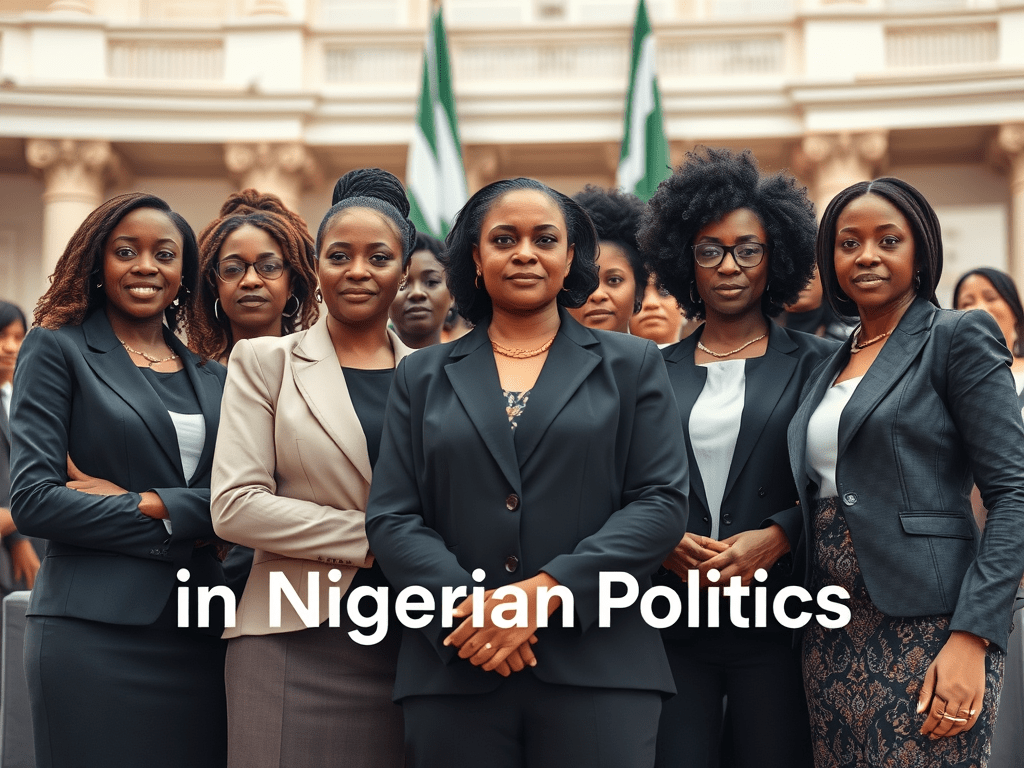
Addressing Sexual Harassment in Nigerian Politics
Introduction
Sexual harassment in politics is a pressing issue. It undermines the integrity of democratic institutions. It also discourages participation, particularly among women. Despite legal provisions aimed at addressing the problem, enforcement remains weak due to political influence and societal stigma. This blog explores the legal framework, real-world challenges, and potential reforms necessary to create a safer political environment. How can we make sure that victims get justice and that political spaces become more inclusive?
Legal Provisions on Sexual Harassment
In Nigeria, sexual harassment is addressed under the Violence Against Persons (Prohibition) Act, 2015 (VAPP Act). It is also covered by the Criminal Code Act. Section 34 of the VAPP Act criminalizes sexual harassment, including inappropriate advances and coercion. Additionally, labor laws prohibit workplace harassment, though enforcement in political settings remains limited.
Yet, many victims struggle to navigate these legal provisions due to systemic barriers. How effective are these laws if those in power can evade consequences?
Notable Cases and Precedents
While few cases of political sexual harassment reach the courts, instances in other sectors offer insight into legal enforcement challenges. In Ezekiel v. State (2018), the Nigerian Court of Appeal upheld a conviction for workplace sexual harassment. This reinforces the judiciary’s role in addressing such cases.
Recent Case Studies
A 2022 case involved a female politician who accused a senior party member of persistent harassment. Despite early media attention, the case was eventually dismissed due to a lack of evidence and witness cooperation. Another 2023 case involved a legislative staffer in a Nigerian state assembly. The staffer resigned after repeated harassment. This highlights the ongoing challenges victims face when seeking justice.
A former female campaign manager shared: “I reported my experience to my party’s leadership, only to be told to ‘let it go’ because he was an important figure. I was ostracized for speaking up.” Her experience reflects a broader issue—how often are victims silenced to protect political careers?
Challenges in Enforcing Sexual Harassment Laws in Politics
- Power Imbalance: Politicians accused of harassment often wield significant influence over investigations, leading to case dismissals or prolonged legal battles.
- Lack of Witness Cooperation: Victims and witnesses fear retaliation, affecting prosecution efforts. Political loyalty can also discourage staff from testifying.
- Social Stigma: Cultural and societal pressures often deter victims from speaking out. Reporting harassment can lead to personal and professional repercussions.
- Weak Enforcement Mechanisms: Many enforcement agencies lack the independence and resources to hold political figures accountable effectively.
- In 2021, a female legislative aide accused a senator of sexual misconduct. Despite video evidence and multiple complaints, the case was dismissed on “procedural grounds.”
- In another instance, a journalist who reported on a harassment scandal was threatened and eventually relocated for safety. If even the media faces suppression, how can victims feel secure in reporting their cases?
Potential Solutions
To strengthen enforcement and support victims, the following measures should be considered:
1. Enhanced Legal Protections
- Strengthening laws to offer anonymity for victims and witnesses can encourage reporting.
- Example: In South Africa, amendments to sexual offense laws have increased witness protection, leading to higher prosecution rates.
2. Independent Investigative Bodies
- Establishing non-partisan agencies dedicated to handling sexual harassment cases in politics can reduce political interference.
- Example: Canada has introduced independent ethics committees to investigate misconduct among lawmakers, ensuring fair and impartial investigations.
3. Awareness and Training
- Mandatory sexual harassment training for political officeholders and staff can foster a culture of accountability.
- Example: The UK Parliament has implemented training programs that have improved awareness and reporting mechanisms.
4. Public Advocacy
- Civil society organizations and the media must play a role in exposing cases and demanding justice for victims.
- Example: In India, activist-led campaigns have pushed for stronger workplace protections for women in politics.
What other reforms do you think can be effective in tackling this issue?
Expert Insights
Legal professionals emphasize the need for reform. A Nigerian human rights lawyer stated: “Many victims are forced into silence due to the immense power wielded by perpetrators. Without stronger enforcement and institutional support, the cycle of harassment will continue.”
A survivor of political harassment shared: “Speaking out cost me my job, but I couldn’t stay silent. I hope more women find the courage to come forward and demand change.”
Activists also stress the importance of grassroots movements in holding political figures accountable. A gender rights advocate noted: “Change will come when we stop normalizing abuse in political spaces and start holding offenders accountable.”
What role do legal professionals, activists, and the public play in breaking this cycle of silence?
Statistical Overview
Recent reports suggest that over 40% of women in Nigerian politics have experienced sexual harassment. Many fear backlash if they report incidents. A 2023 survey by a Nigerian gender advocacy group showed that only 15% of reported cases reach prosecution. This illustrates the gap between legal provisions and enforcement.
To visualize the issue more effectively, consider the next key statistics:
📊 40% of women in Nigerian politics report experiencing sexual harassment.
📊 Only 15% of reported cases reach prosecution.
📊 60% of victims do not report incidents due to fear of retaliation.
📊 30% of political parties lack clear policies on sexual harassment.
Call to Action
Addressing sexual harassment in politics requires collective action. If you or someone you know has experienced harassment, consider reaching out to organizations like:
- Mirabel Centre (Nigeria’s leading sexual assault referral center)
- Women at Risk International Foundation (WARIF)
- The Nigerian Human Rights Commission
These organizations offer legal aid, counseling, and advocacy. Additionally, public pressure on policymakers to strengthen enforcement mechanisms is crucial—sign petitions, join advocacy groups, and raise awareness.
Conclusion
Combating sexual harassment in politics requires a robust legal framework, cultural shift, and institutional accountability. Strengthening legal protections, empowering investigative bodies, and promoting awareness are essential steps toward addressing this pervasive issue. Legal professionals, activists, and the public must work together to guarantee a safer political environment for all.
Discussion Prompt
Have you or someone you know faced challenges related to sexual harassment in the political sphere? What reforms do you think are necessary to improve enforcement and accountability? Share your thoughts and experiences below to foster an open and constructive dialogue. Your voice matters—how can we create lasting change?

 @SARAH TAIWO & CO.
Leave a comment